
Quick Overview
- Strength training does far more than tone. It protects your bones, your metabolism and your independence later on
- You don’t need to be strong to start. Two sessions a week is plenty to see a change
- Machines, free weights, bands or a Lift class, any of them works. Pick the one you’ll actually show up for
- The benefits grow with age, so it matters more in your 40s and 50s, not less
Somewhere along the line, strength training for women got filed under advanced, or under wanting to get big, and neither is true. Lifting is one of the best things a woman can do for her body, at any age, and the sooner the better. It builds bone. It slows the muscle loss that creeps in over the years. And no, it won’t leave you looking like a bodybuilder. Here’s why it’s worth doing, how to start when you haven’t a clue, and how to keep it going through every decade that follows.
Why does Strength Training Matter so much for Women?
Here’s the part the cardio class doesn’t tell you. Muscle isn’t only for lifting things. It’s the tissue that keeps your metabolism ticking, holds your joints together, and, this is the one that matters for women, pulls your bones along with it as it gets stronger. Women lose bone faster than men, and faster again after menopause, and osteoporosis isn’t some rare misfortune. It’s common. Loading your bones through strength work is one of the few things genuinely proven to slow that slide. Then there’s the ordinary stuff: the shopping, the toddler, getting off the floor at seventy without a thought. Strength stops being a gym vanity and becomes the thing that keeps you independent. It’s no accident that the NHS puts strength work twice a week on the same must-do list as your cardio.
Will Lifting Weights Make Me Bulky?
No. This is the myth that keeps half the gym away from the weights, and it deserves a proper burial. Building big, visible muscle is hard. It takes years, a great deal of food, and usually a lot of intent, and it’s harder still for women, whose bodies make a fraction of the testosterone that drives that sort of growth. What lifting actually does is firm you up, shift your shape, and leave you looking, for want of a better word, solid rather than large. The women you’ve seen with real size chased it on purpose for a long time. Nobody wakes up accidentally huge because they did some squats on a Tuesday.
Where to Start
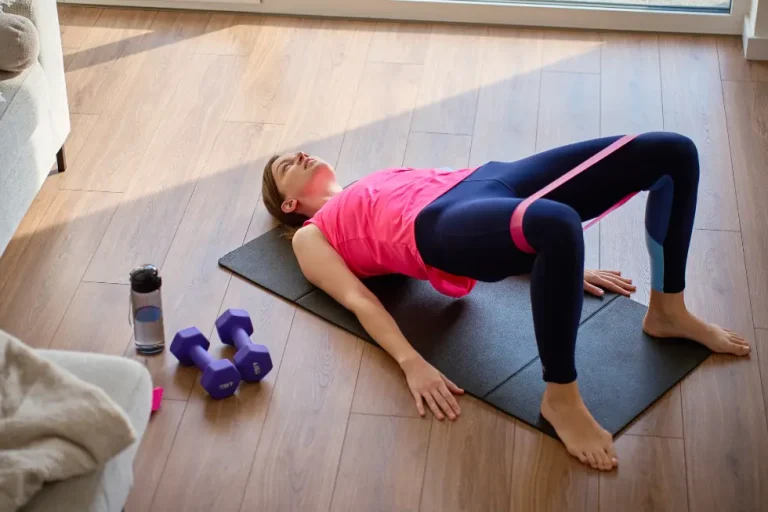
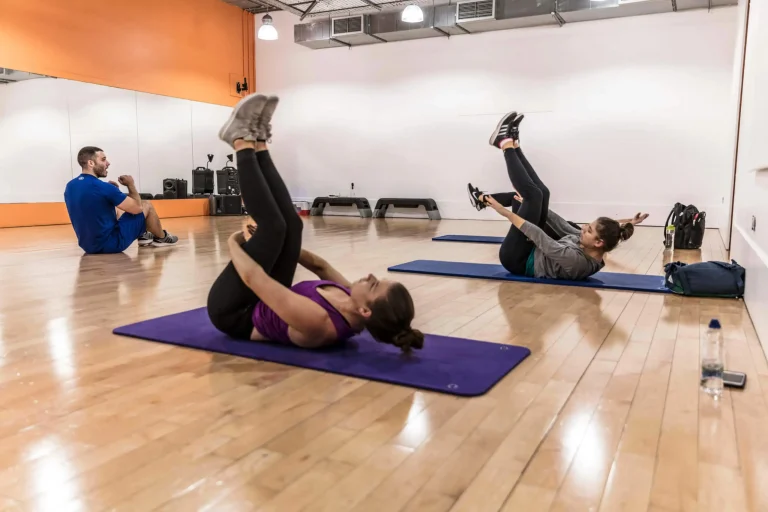
You’ve more ways in than you’d think, and not one of them is the grunting corner you’re picturing. Machines are the gentle starting point, since they guide the movement and there’s little to get wrong. Free weights, the dumbbells and barbells, give you more once you’ve found your feet. Bands are a genuinely good way in if the weights floor feels a step too far, and there’s a full beginner band workout to get you moving. Whichever you choose, aim for the big compound moves, a squat, a hinge, a push and a pull, because they work the most muscle for your time. Rather be shown than left to it? A Lift class puts a coach and a plan in front of you, and our beginner’s guide to weight training covers the barbell basics.
A Simple Beginner Plan
You don’t need anything clever to begin. Twice a week, full body, is where nearly everyone should start. A session can be as plain as four moves: something for your legs, something you push, something you pull, and something for your middle. A squat or leg press. A press, on a machine or with dumbbells. A row or a pulldown. A plank to finish. Two or three sets of each, eight to twelve reps, stopping a rep or two short of failing. Then the only rule that really counts: next time, do a fraction more. One more rep, a touch more weight, an extra set. That slow crawl upward is the whole of progress. Leave a day between sessions and you’re sorted.
Strength Training Through the Decades
It’s never too late, and the case only sharpens as you age. In your 20s and 30s you’re banking bone and muscle for later, which makes it the best time to build the habit. Through your 40s, as things start to shift, strength work is what holds your shape and your energy steady. And around menopause it goes from useful to genuinely important, because the drop in oestrogen speeds up both bone and muscle loss, and lifting pushes back on both. Training through it is one of the most effective tools you have. Training around your cycle is fine as well, and if you’re pregnant or managing a health condition, have a quick word with your GP before you take anything new on.
Fuelling and Recovering
This bit trips women up more than the training ever does, and the message is the opposite of the one you usually hear: eat enough, don’t eat less. Muscle is built from protein and repaired while you rest, so eating too little is the quickest way to spin your wheels. You don’t need a strict diet or a spreadsheet, only protein at each meal and enough food to power the work. And the progress happens in the recovery, not the session, so sleep and rest days aren’t skiving, they’re part of the job. Do a bit, eat properly, sleep well, repeat. That’s most of it.
The hardest part is walking up to that first session, and it’s far easier with someone in your corner. Book a session with a Gym Plus personal trainer and they’ll take you round the lifts, sort your form, and build a plan that fits your week and what you want from it. You’ll find times and booking at your nearest club. Come exactly as you are. Strength is built, not turned up with.
Frequently Asked Questions
Is strength training good for women?
It’s one of the best things a woman can do, full stop. Stronger bones, a steadier metabolism, and a body that holds up as the years pass. Gym Plus runs Lift classes and one-to-one sessions if you’d like a hand starting.
Will lifting weights make me bulky?
No, and it’s the myth worth letting go of first. Building visible size takes years of deliberate effort and a lot of the testosterone women simply don’t have much of. What you’ll get is firmer and stronger, not bigger.
How often should a woman strength train?
Twice a week is plenty to start, with a rest day between. That’s enough to build real strength without taking over your life. A Gym Plus trainer can slot it around whatever else you do.
Is it safe to start strength training in your 40s or 50s?
Not just safe, but one of the smartest moves you can make, since strength work pushes back on the bone and muscle loss that pick up around menopause. If you’re managing a condition, check with your GP first, then a Gym Plus coach can start you off gently.
What should a beginner start with?
Machines or a Lift class are the easiest way in, because both take the guesswork out. Bands work too if the weights floor feels daunting. Start light, learn the moves, add weight later.
Will strength training help me lose weight?
It helps, though not the way cardio does. More muscle nudges up what you burn at rest and reshapes you as you go, so the scales matter less than they used to. Pair it with sensible eating and the cardio at Gym Plus if weight is the goal.